
What to Expect After a Fatal Car Accident
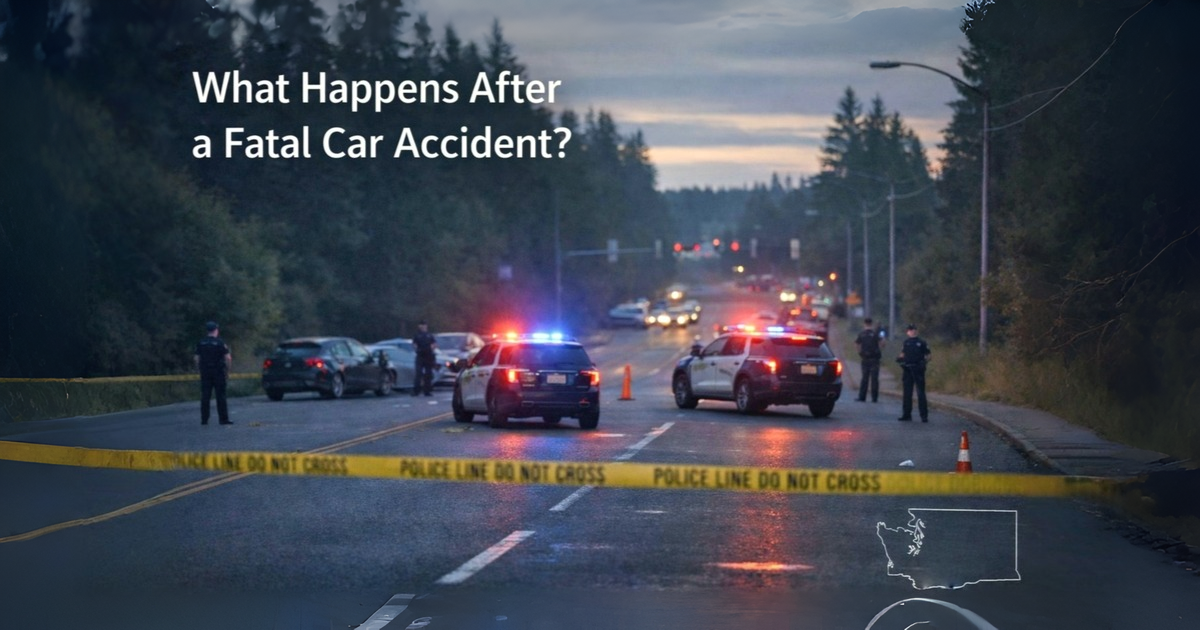
When a fatal car accident occurs, the aftermath can feel overwhelming and unclear. There are immediate actions taken at the scene, followed by a series of steps that unfold over days, weeks, and sometimes months. For people searching for answers following a car accident fatality, we’re here to provide you with a step-by-step understanding of the process to help bring clarity during Read More »
When a fatal car accident occurs, the aftermath can feel overwhelming and unclear. There are immediate actions taken at the scene, followed by a series of steps that unfold over days, weeks, and sometimes months.
For people searching for answers following a car accident fatality, we’re here to provide you with a step-by-step understanding of the process to help bring clarity during a difficult and uncertain time.
At a Glance: What to Expect After a Fatal Car Accident
- Emergency responders and law enforcement secure the scene
- An investigation begins to determine how the crash happened
- Family members are notified and begin handling immediate responsibilities
- Insurance companies may get involved quickly
- Over time, questions about responsibility and next steps often follow
What Happens Immediately After a Fatal Car Accident
In the moments following a fatal motor vehicle crash, the priority is safety, medical response, and securing the scene.
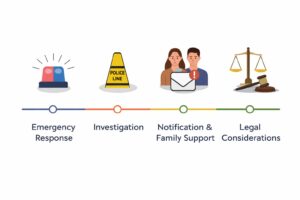
Emergency Response at the Scene
Police, fire personnel, and emergency medical services respond as quickly as possible. Their role is to:
- Provide medical care
- Secure the area
- Prevent further harm to others
Road closures or traffic rerouting are common, especially in severe crashes.
The Scene Is Investigated
Law enforcement begins documenting the accident almost immediately. This often includes:
- Photographing the scene
- Identifying vehicles and involved parties
- Speaking with witnesses
In a fatal crash, this initial documentation becomes the foundation of a more detailed investigation.
Notification of Family Members
When a car accident results in a fatality, law enforcement is typically responsible for notifying the next of kin.
This process is handled with care, but the timing can vary depending on the situation.
How Fatal Car Accidents Are Investigated in Washington
After the initial response, the focus shifts toward understanding what caused the accident.
Who Investigates a Fatal Crash
Depending on the location and severity, investigations may involve:
- Local law enforcement agencies
- The Washington State Patrol
Serious or complex crashes may involve specialized investigators such as the Washington State Patrol’s Major Accident Investigation Team (“MAIT”). MAIT is charged with investigating catastrophic collisions occurring within the jurisdiction of the Washington State Patrol.
What Investigators Look For
Investigators work to determine what contributed to the crash. Common factors include:
- Speed or reckless driving
- Impairment due to alcohol or drugs
- Distracted driving
- Road conditions or mechanical issues
This process may take time, especially in complex automobile accident death cases.
When a Fatal Crash Becomes a Criminal Case
In some situations, a fatal car accident may lead to criminal charges. This can happen if there is evidence of:
- Driving under the influence
- Reckless or negligent driving
- Other serious violations
Criminal proceedings are separate from any civil or insurance-related matters, but they often overlap. Careful case management requires coordination between the civil and criminal legal teams.
What Happens in the Days and Weeks After the Accident
After the initial shock of a car accident fatality, families often begin dealing with practical and logistical matters.
Coordinating with Insurance Companies
Insurance companies may reach out soon after the accident. This can include:
- Requests for statements
- Questions about the incident
- Discussions about coverage
These conversations can feel sudden, especially when many details are still unclear. It is best to seek legal counsel before talking to any of these insurance representatives.
Handling Immediate Expenses
Fatal crashes often bring immediate financial considerations, such as:
- Emergency medical costs
- Funeral and burial expenses
These expenses can arise quickly and may lead to questions about how they will be covered.
Gathering Important Information
Families may begin collecting documents related to the accident, including:
- Police reports
- Insurance policies
- Medical records
- Death Certificates
- Coroner’s Reports
- Toxicology Reports
- Autopsy Reports
Having this information organized can help provide clarity as the situation develops.
When Legal Questions Start to Come Up
At some point, many families begin asking questions about responsibility and what options may exist moving forward.
Understanding Responsibility for the Crash
One of the most important questions is who may be at fault.
In some cases, this is clear early on. In others, it takes time and investigation to fully understand what happened.
Legal questions often arise after:
- Initial insurance conversations
- New information about the crash becomes available
- There is uncertainty about fault or accountability
This is typically when people begin learning more about their options.
What a Wrongful Death Claim Means
In Washington, a wrongful death claim is a civil legal action that may arise when someone’s death is caused by another party’s negligence.
For a more detailed explanation of how these claims work, it may be helpful to review what is a wrongful death case in Washington, which explains the legal framework in greater depth. It is important to know that only certain persons can bring wrongful death claims, and they can only be brought for certain categories of damages. A lawyer can best help you understand these complex issues.
Timeline of What Happens After a Fatal Car Accident
While every situation is different, most fatal crash cases follow a general timeline.
First 24–72 Hours
- Emergency response and scene investigation
- Initial reports created
- Family notification
First Few Weeks
- Insurance companies begin communication
- Documents and reports become available
- Immediate financial and logistical matters are addressed
- A Personal Representative or Executor is appointed by the Court to act for the deceased person
First Few Months
- Investigation continues
- More details about fault may emerge
- Legal and insurance questions become more defined
Longer-Term Process
- Claims may be resolved through insurance
- In some cases, legal action may be considered
For a deeper look at how long this process can take, reviewing the wrongful death lawsuit timeline in Washington can provide additional context.
What Factors Influence What Happens Next?
Several factors can affect how a fatal car accident situation unfolds:
Clarity of Fault: Clear liability may simplify the process, while disputed fault can extend it.
Number of Vehicles or Parties Involved: Multi-vehicle crashes or commercial vehicle involvement often add complexity.
Severity and Complexity of the Crash: More complex cases may require additional investigation and expert analysis.
Insurance Coverage and Cooperation: The availability of insurance and how claims are handled can influence timing and outcomes.
Frequently Asked Questions
What happens after someone dies in a car accident?
Emergency responders secure the scene, law enforcement begins an investigation, and family members are notified. Over time, insurance and legal questions may arise.
Who investigates a fatal crash in Washington?
Fatal crashes are typically investigated by local law enforcement or the Washington State Patrol, depending on the situation.
Does every fatal car accident lead to a lawsuit?
No. Some cases are resolved through insurance claims, some are not claims at all, while others may involve legal action depending on the circumstances.
When do legal questions usually come up?
Legal questions often arise after initial investigations and insurance conversations, once more information about the crash becomes available.
How long does it take to determine fault in a fatal crash?
This can vary. Some cases are clear early on, while others may take weeks or months depending on the complexity of the accident. It’s important to understand that criminal fault and civil fault are different legal concepts. Often times they interrelate, but each case is unique, and a criminal finding of “no fault” doesn’t necessarily mean there is no civil fault. The legal burdens are different in each setting.
Final Thoughts
After a fatal car accident, the process that follows is rarely immediate or straightforward. It unfolds in stages—starting with emergency response and investigation, then moving into decisions about insurance, responsibility, and possible next steps.
For many, understanding what happens is the first step. From there, questions about accountability and available options often begin to take shape over time.
Tagged: