What Evidence Is Needed to Prove a Wrongful Death Auto Accident Claim in Washington?
After a fatal car accident, families are often left grieving while also facing complex legal questions.
One of the most important is: What evidence is required to prove a wrongful death claim in Washington?
In wrongful death auto accident cases, evidence is what connects the tragedy to legal responsibility. Even when fault seems obvious, insurance companies and opposing parties often demand clear documentation before agreeing to compensation. Understanding what evidence matters and why can help families avoid costly mistakes during an already difficult time.
Below, we outline the key types of evidence used to prove wrongful death auto accident claims in Washington and explain how liability and damages are established.
The Legal Burden of Proof in Washington Wrongful Death Cases
In Washington, wrongful death claims are civil cases. This means families must prove their case by a preponderance of the evidence, not beyond a reasonable doubt.
In simple terms, this standard requires showing that it is more likely than not that another party’s negligence caused the fatal accident. Meeting this burden requires evidence that establishes fault, connects the accident to the death, and demonstrates the losses suffered by surviving family members.
Key Types of Evidence Used in Fatal Car Accident Wrongful Death Claims
Successful wrongful death claims typically rely on multiple categories of evidence. Each plays a specific role in proving what happened, who was responsible, and how the loss has impacted the family.
Police Reports and Accident Documentation
Police reports are often one of the most important pieces of evidence in fatal auto accident cases. These reports may include:
- Details about the crash location, time, and conditions
- Statements from drivers, witnesses, and first responders
- Traffic citations or suspected violations
- Preliminary fault assessments
While police reports are not always conclusive, they often form the foundation of a wrongful death claim.
Medical Records and Cause of Death Documentation
Medical evidence is used to establish that the accident directly caused the death. This may include:
- Emergency medical records
- Hospital treatment documentation
- Autopsy findings
- Official death certificates
These records help demonstrate the link between the injuries sustained in the crash and the resulting death, which is essential in wrongful death cases.
Scene and Physical Evidence
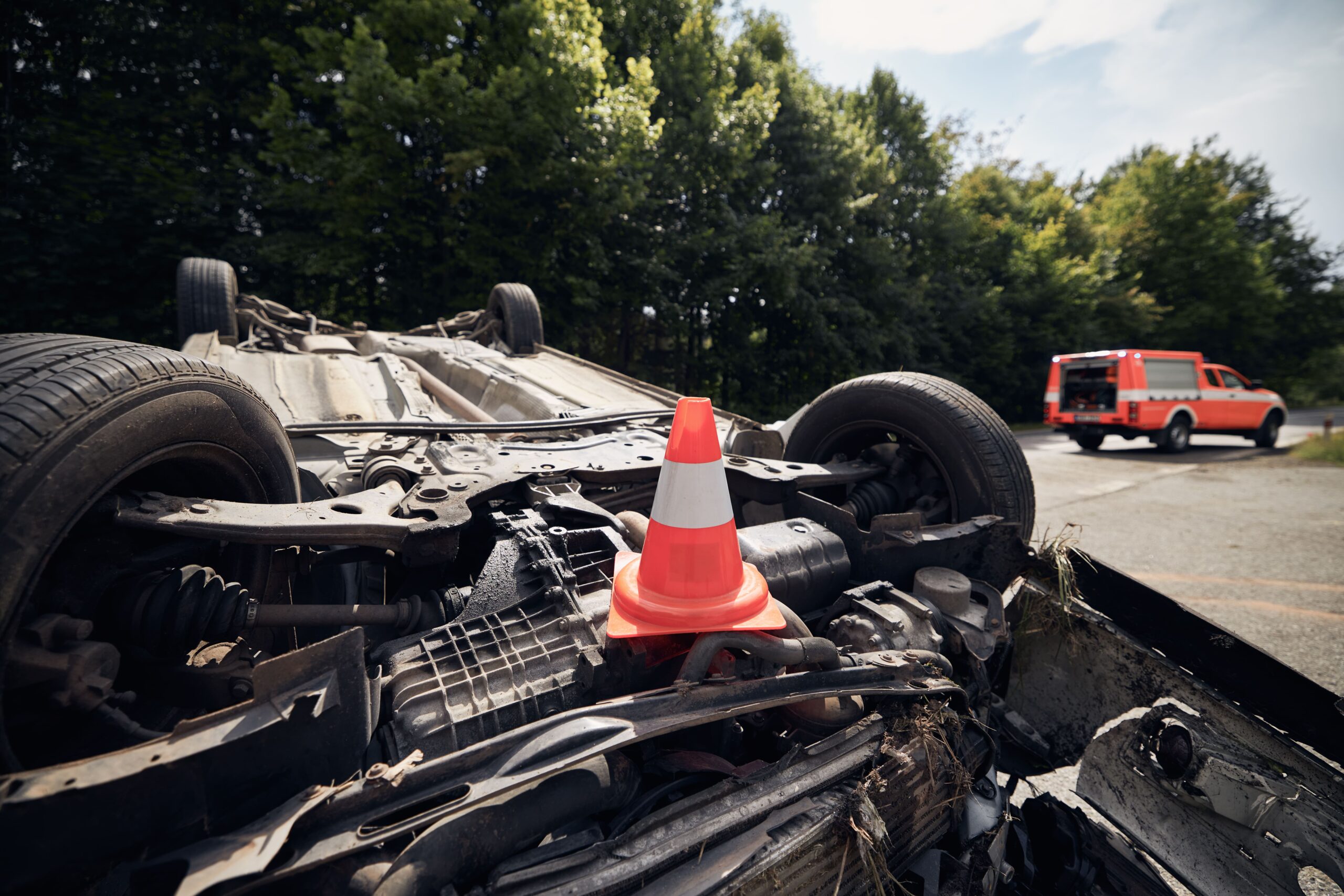
Physical evidence from the accident scene can be critical, especially when liability is disputed. This may include:
- Vehicle damage
- Skid marks, debris, and roadway conditions
- Photos or video from the scene
- Traffic camera or nearby surveillance footage
In some cases, accident reconstruction experts use this evidence to explain how the crash occurred and who was at fault.
Witness Statements
Statements from independent witnesses can strengthen a wrongful death claim by corroborating other evidence. Witnesses may include:
- Bystanders who saw the collision
- Passengers in involved vehicles
- First responders who arrived at the scene
Witness accounts can help clarify details such as speed, traffic signals, or driver behavior before the crash.
How Liability Is Proven in Fatal Auto Accident Cases
To prove liability in a Washington wrongful death claim, families must show that the at-fault party was negligent. This generally involves establishing:
- The driver owed a duty of care
- That duty was breached through unsafe behavior
- The breach caused the fatal accident
- The accident resulted in damages
Common examples of negligence in fatal car accidents include distracted driving, speeding, impaired driving, failure to yield, and reckless behavior.
Washington follows a comparative fault system, meaning fault may be shared in some cases. Evidence is used to minimize unfair blame placed on the deceased.
Evidence Used to Prove Damages in a Wrongful Death Claim
In addition to proving fault, families must demonstrate the losses caused by the death. Evidence used to prove damages may include:
- Employment records, pay stubs, or tax returns
- Documentation of benefits and future earning capacity
- Proof of household services provided by the deceased
- Testimony regarding loss of companionship, care, and emotional support
Expert witnesses may also be used to calculate long-term financial losses.
Why Early Legal Involvement Helps Preserve Evidence
Evidence in fatal auto accident cases can disappear quickly. Vehicles may be repaired or destroyed, video footage may be overwritten, and witnesses may become harder to locate over time.
Insurance companies often begin their investigations immediately, sometimes before families fully understand their rights. A wrongful death attorney can step in early to preserve evidence, coordinate expert analysis, and protect families from unfair insurance tactics.
Speak With a Kennewick Wrongful Death Attorney
Families should not be expected to gather evidence or navigate legal standards on their own while grieving a loss. An experienced Kennewick wrongful death attorney can handle the investigation, identify critical evidence, and build a strong case on your behalf.
If you have lost a loved one in a fatal car accident, a confidential consultation can help you understand your options and next steps during a difficult time.
Tagged: